with the rapid development of the internet, more and more companies and individuals have begun to pay attention to the choice of servers. in particular, american servers are favored for their high performance and stability. however, renting a us server is not an easy task and involves legal, technical and market considerations. this article will give you a detailed introduction to the precautions and suggestions for legally renting a us server to help you make a wise decision.
before renting a us server, it is important to understand the relevant laws and regulations. the united states has strict regulations on data privacy and cybersecurity, such as the digital millennium copyright act (dmca) and the health insurance portability and accountability act (hipaa). make sure your business does not violate these laws or you may face legal liability and sanctions. so when choosing a server provider, take a close look at its compliance to make sure it meets the legal requirements of your business.
there are many types of servers available in the us market, including shared hosting, vps (virtual private server), dedicated servers, etc. depending on your business needs, choosing the right server type will directly affect your website's performance and user experience. shared hosting is suitable for small businesses or personal websites, while vps and dedicated servers are suitable for businesses with higher traffic or that require more control. when determining the server type, it is recommended to evaluate it based on future expansion needs to avoid the trouble caused by frequent migration.
choosing a reputable server provider is crucial. you can assess its credibility by looking at online reviews, user feedback, and industry rankings. at the same time, it is recommended to choose companies that provide transparent service terms and clear refund policies to protect your rights and interests. communication with the provider is also important to ensure that it can provide timely technical support and services to deal with possible problems.
data security is an important factor that must be considered when choosing a server. make sure your server provider has comprehensive data backup and recovery mechanisms in place to prevent data loss. additionally, check its security measures such as firewall, ddos attack protection, and ssl certificate to ensure the safety of your website and user data. conducting regular security audits is also an effective preventive measure that can detect potential risks early.
performance and bandwidth are key factors that affect website access speed and user experience. when choosing a server, you should consider its cpu, memory, storage, and bandwidth configuration to ensure it can meet your traffic needs. most providers offer different levels of configuration, which you can choose based on your needs. it is recommended to conduct performance testing during peak periods to ensure that the server can withstand the large number of accesses.
while cost isn't the only factor in choosing a server, it does influence your choice. when evaluating the cost of renting a server, it is important to consider not only the basic cost, but also additional costs, such as bandwidth overage fees, technical support fees, and data backup fees. it is recommended to set a reasonable budget and weigh price and performance when choosing a server to avoid blindly pursuing low prices and neglecting service quality.
technical support is an aspect that cannot be ignored in the server rental process. good technical support can help you resolve issues quickly and reduce website downtime. when choosing a server provider, it is recommended to confirm its technical support response time and service channels (such as phone, email, online chat, etc.). also, check their technical support hours to make sure you can reach a professional if you need help.
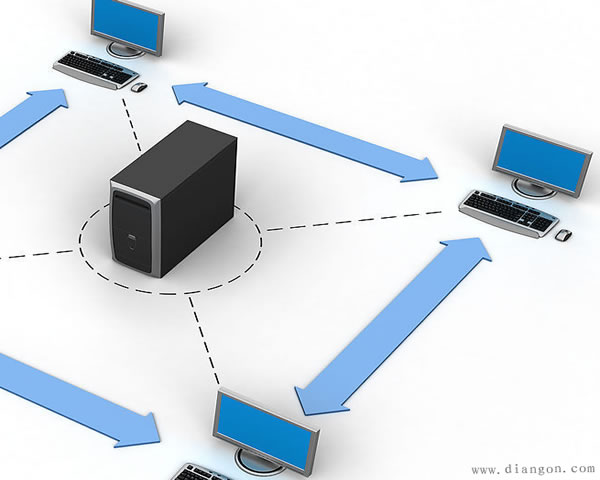
the geographical location of the server will also affect the website's access speed and seo effect. when choosing a us server, try to choose a server location close to your target user base to reduce latency and improve user experience. in addition, geographical location may also affect the efficiency of the content delivery network (cdn), so it should be considered comprehensively when making a choice.
once you have selected the right us server, it is important to regularly evaluate and optimize its performance. monitor traffic, server load, response time and other indicators to identify problems and make adjustments in a timely manner. you can also use some monitoring tools to understand the status of the server in real time to ensure that it is always running optimally. in addition, regular security audits and performance optimization are also effective means to ensure server stability.
legally renting a us server requires comprehensive consideration of multiple factors such as laws and regulations, server type, provider reputation, data security, performance and cost. choosing the right server can not only improve website access speed and user experience, but also ensure data security and compliance. it is recommended to conduct sufficient market research and comparison before making a final decision to ensure that you choose the server that best meets your needs. remember, long-term relationships are often more important than short-term financial benefits, and finding a trustworthy server provider will provide strong support for your business development.
- Latest articles
- Practical Guide And Advice On Choosing The Most Stable PUBG Server In South Korea
- How Does Cross-border Business Use Cloud Servers? Singapore Servers Improve Access Experience
- How To Enter The Vietnam Server Now? A List Of Graphic Steps And Common Misunderstandings That Even Beginners Can Understand.
- How Does An Enterprise Choose A Hosting Plan That Supports Multiple IPs For US Site Group Servers?
- Looking At The Stability And Compliance Requirements Of Cross-border Transactions From The Futian Hong Kong Station Group Server
- Evaluate The Compliance Certificate And Protection Capabilities Of US Cloud Rental Servers From A Security Perspective
- Purchasing Advice Hong Kong Vps Cloud Server 8 Core How To Choose The Appropriate Package According To Business Load
- Comparative Analysis Of Computer Room Distribution And Network Interconnection Performance Of Server Companies In Taiwan
- Cost Control Billing Model And Money-saving Tips For Taiwan’s Native IP Server Cloud Server
- Cost And Operation And Maintenance Perspective Differences Between Hong Kong Cn2 And BGP Comparison Of Procurement And Maintenance Costs
- Popular tags
-

Comparison And Selection Suggestions Of Foreign Us Server Price Lists
this article provides you with a detailed comparison of server prices in the united states and provides selection suggestions to help you find the most suitable server. -

High-availability Architecture Design For US High-defense Servers And Card Games From An Operations And Maintenance Perspective
From an operations and maintenance perspective, it analyzes the key design points of the high-availability architecture for high-defense US servers for chess and card games, covering protection layers, load sharing, state synchronization, storage disaster recovery, and monitoring and alerting, providing practical operation and maintenance recommendations. -
Risk Warnings For Discussing Privacy And Compliance In Amazon US Product Selection Groups
This article highlights common risks associated with privacy and compliance when participating in product selection discussions on Amazon’s U.S. site. It covers areas such as privacy breaches, compliance and intellectual property risks, key aspects of U.S. regulations, and practical advice to help sellers engage in product selection discussions in a safe and compliant manner.